Authorized Digital Film Acquisition Trends Across Regions in 2026
Hugo Becker · Aug 23, 2026
Authorized Digital Film Acquisition Trends Across Regions in 2026
Authorized services for acquiring movies digitally have expanded steadily through 2026, with platforms offering permanent downloads alongside temporary access options in multiple countries. Data from industry reports indicate that users in North America and Europe increasingly select ownership models when purchasing films outright, whereas subscription-based temporary downloads remain popular in Asia-Pacific markets. These patterns reflect differences in consumer preferences shaped by pricing structures, device compatibility, and regional content licensing agreements.
Services such as those operated by major studios and aggregators employ digital rights management systems to control file usage after purchase, allowing downloads to specific devices while restricting transfers or unauthorized sharing. File formats commonly include high-definition options that balance quality with storage demands, and many providers integrate automatic updates for compatibility with newer hardware. Observers note that by August 2026 several providers had introduced enhanced offline viewing features tied to verified accounts, which reduced playback interruptions during travel or in areas with limited connectivity.
Platform Models and Regional Adoption
North American services typically combine purchase and rental options within unified interfaces, while European platforms often separate ownership transactions from subscription tiers to comply with varying consumer protection rules. Research indicates adoption rates climbed notably in Australia and Canada during the first half of 2026, where bundled device storage allowances encouraged more frequent permanent acquisitions. In contrast, markets in parts of Asia showed higher volumes of short-term downloads linked to promotional campaigns around new releases.
Payment systems vary, with some regions favoring integrated digital wallets and others relying on traditional credit methods. Those who've tracked usage patterns report that loyalty programs offering discounted future purchases have influenced repeat transactions in several markets. Studios maintain separate licensing deals per territory, which means availability of specific titles can shift depending on local agreements rather than global standardization.
Technological Infrastructure Supporting Downloads
Encryption protocols and watermarking techniques underpin secure delivery, with servers distributing files through encrypted channels that verify user credentials before transfer completes. Bandwidth optimization tools have improved download speeds across both fixed and mobile networks, enabling larger files to transfer reliably even on standard connections. Device manufacturers have incorporated dedicated storage management features that help users organize acquired content without manual intervention.
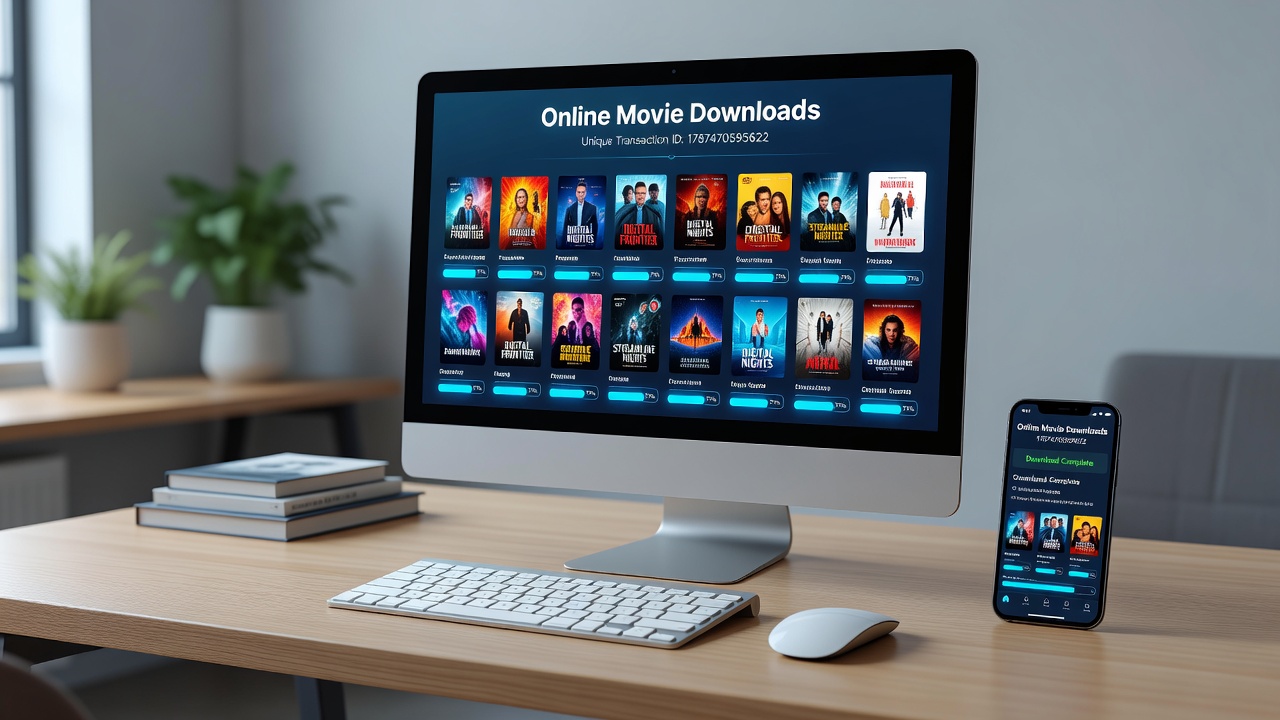
Compatibility testing across operating systems ensures files remain playable after system updates, and support teams at major providers publish regular compatibility lists. Data shows that error rates during transfers declined after infrastructure upgrades implemented earlier in the year, particularly in urban centers with dense network traffic. Providers also track aggregate usage metrics to forecast demand and adjust server capacity ahead of anticipated high-traffic periods such as holiday seasons.
Regulatory Frameworks and Industry Standards
Government agencies in the United States, through the Copyright Office, oversee aspects of digital distribution licensing, while the European Commission coordinates cross-border rules affecting how services operate across member states. Australian authorities have issued guidelines on consumer rights regarding purchased digital content, emphasizing transparency in refund policies. These frameworks require platforms to disclose usage limitations clearly at the point of sale, reducing disputes over access after initial downloads.
Industry groups such as the Motion Picture Association compile statistics on legitimate digital transactions, and academic studies from institutions in Canada have examined how regulatory clarity correlates with higher consumer participation. Figures reveal that regions with established enforcement mechanisms experienced steadier growth in authorized acquisitions compared to areas still developing oversight structures. Compliance audits conducted by independent bodies help maintain consistent standards across providers operating internationally.
Consumer Behavior and Market Data
Surveys conducted through mid-2026 indicate that households with multiple connected devices tend to favor services allowing simultaneous downloads to several accounts under one subscription. Younger demographics show preference for mobile-first interfaces that prioritize quick transfers, while broader age groups value desktop options for managing larger libraries. Storage costs and available hard drive space remain practical considerations that influence whether users select high-resolution files or standard definitions.
Seasonal spikes occur around major release windows, with providers preparing additional capacity to handle increased traffic. Analysts have documented that promotional pricing tied to bundles with related merchandise can shift acquisition choices toward ownership rather than rental. Those monitoring long-term trends note gradual integration of recommendation engines that suggest titles based on prior download history, which supports continued engagement without requiring separate marketing efforts.
Conclusion
Authorized digital film acquisition continues to evolve through coordinated technological improvements and regulatory alignment across regions. By August 2026, platforms had refined delivery methods and expanded territorial reach while adhering to established legal requirements. Available data from multiple sources demonstrate sustained user interest supported by clearer policies and improved infrastructure, creating a stable environment for ongoing development in this sector.