Synchronization Protocols for Multi-Layered Audio Tracks in Global Action Productions
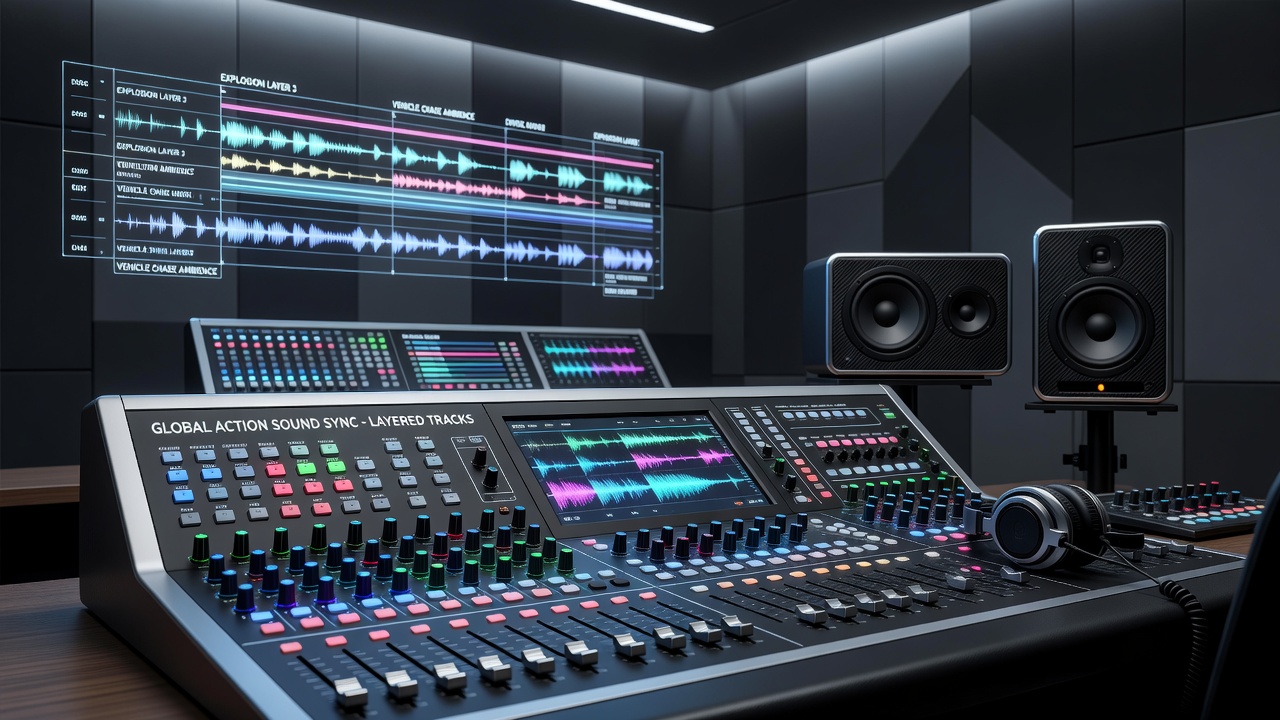
Global action features rely on precise coordination of original dialogue, dubbed language tracks, sound effects, and musical scores, and synchronization protocols form the backbone of these layered audio constructions where timing mismatches can disrupt narrative flow and audience immersion. Studios employ timecode standards such as SMPTE to anchor each element to a master clock, while automated systems cross-reference frame rates across 24fps, 25fps, and 30fps variants to accommodate regional broadcast requirements. Researchers at institutions like the University of Southern California have documented how these methods evolved from analog tape alignments in the 1990s to digital sample-accurate placements used today.
Core Technical Approaches in Audio Layer Alignment
Engineers begin by establishing a primary reference track, often the original language dialogue captured on set, and then map additional layers using software that detects phonetic peaks and adjusts offsets in milliseconds, and this process incorporates both manual spotting sessions and algorithmic assistance to handle rapid action sequences filled with overlapping explosions and dialogue exchanges. Data from the Audio Engineering Society indicates that error rates drop below 5 milliseconds when teams apply phase correlation tools during the initial assembly phase, which allows subsequent music and effects stems to lock into position without drift. Studios in Europe and Asia frequently exchange project files through secure cloud platforms that preserve metadata for sample rates and bit depths, ensuring consistency when teams in different time zones contribute to the same feature.
Handling Multilingual Elements and Cultural Adaptations
Layered soundtracks in worldwide releases must accommodate lip-sync adjustments for dubbed performances while preserving the energy of original stunts and explosions, so technicians apply dynamic time warping algorithms that stretch or compress audio segments to match mouth movements across languages such as Mandarin, Hindi, Spanish, and Arabic. Observers note that productions scheduled for June 2026 releases increasingly integrate AI-assisted voice isolation to separate dialogue from background noise before layering occurs, which reduces the need for extensive re-recording sessions. A report issued by the Canadian Media Producers Association highlights how regional regulations influence track priorities, with some markets requiring separate stems for accessibility features like described audio that must align identically with primary layers.
Take one workflow from a recent international co-production where sound supervisors coordinated between facilities in Los Angeles and Mumbai, and the team used shared session templates that embedded region-specific EQ curves to account for varying theater acoustics while maintaining synchronization across all versions.
Software Tools and Industry Standards
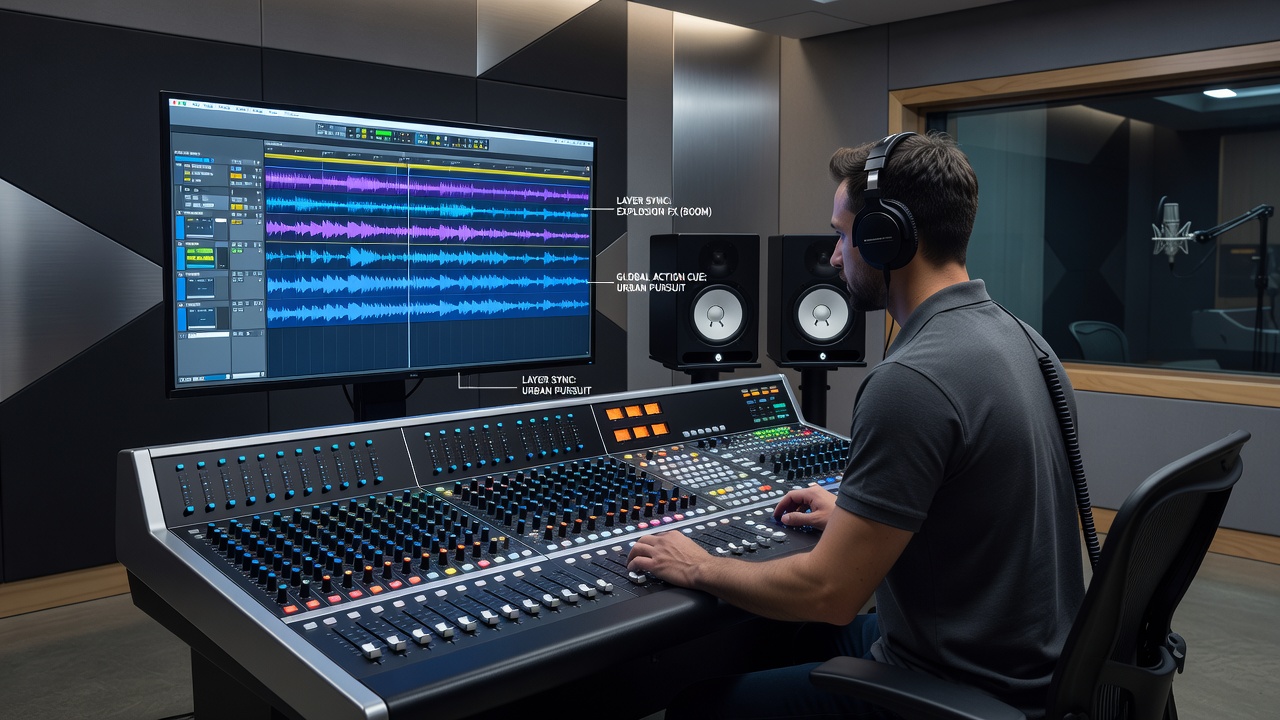
Digital audio workstations such as Pro Tools and Nuendo dominate current pipelines because they support advanced elastic audio functions that allow non-destructive adjustments to layered elements, and these platforms integrate with video editing systems through protocols like AAF and OMF to carry timing data intact from picture lock to final mix. Industry organizations including the Motion Picture Sound Editors guild have published guidelines that recommend redundant verification steps at each stage of layering, which helps prevent cumulative drift when multiple language versions are prepared simultaneously. What's interesting is how smaller post houses in Australia have adopted open-source alternatives that interface with proprietary systems, creating hybrid environments that lower costs without sacrificing alignment precision according to figures from a 2025 industry survey.
Challenges During High-Volume Release Cycles
Action features often undergo rapid turnaround for simultaneous global launches, which places pressure on synchronization teams to manage version control across dozens of audio configurations, and delays in one region can cascade when stems must be re-exported with updated time references. Those who've studied these pipelines observe that automated conflict detection scripts now flag discrepancies in real time, allowing corrections before they reach the dubbing stage. Research indicates that features incorporating practical stunts and pyrotechnics require extra attention to low-frequency effects tracks because bass-heavy elements can mask timing cues during playback in large venues.
Conclusion
Studio synchronization of layered soundtracks continues to advance through combined human oversight and digital precision tools that address the demands of multilingual action cinema, and ongoing developments in automation promise further refinements for future productions. External standards bodies and academic studies provide frameworks that support consistent quality across borders while adapting to evolving distribution needs.